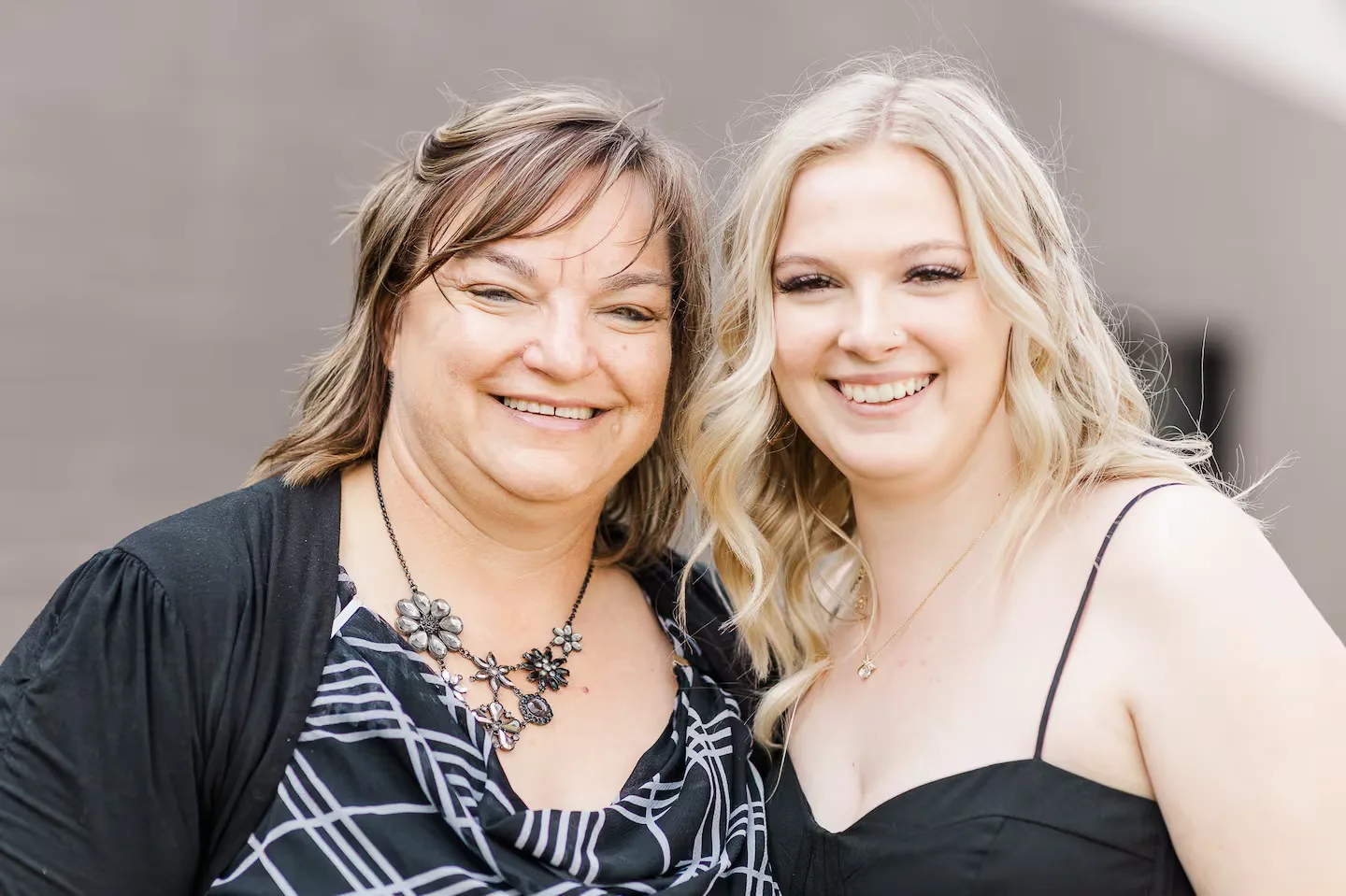
A drunk driver who killed mother and daughter Laura and Jamie Hannah in a horrifying head-on crash has now been cleared for day parole. The decision, handed down by the Parole Board of Canada, has reopened painful wounds for a grieving family and sparked fresh debate about how Canada handles impaired driving deaths. Below, we break down what happened, what the board decided, and why this case matters far beyond Saskatchewan.
Who Is Brittany Barry?
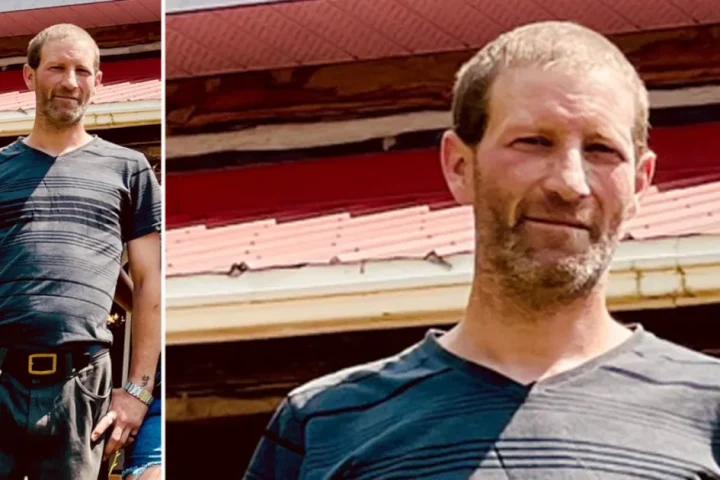
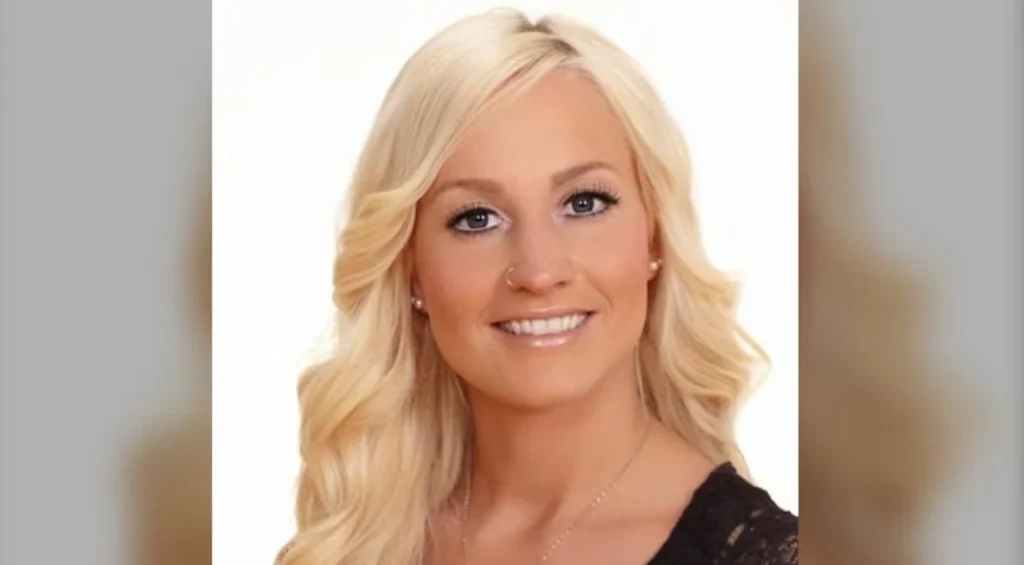
Brittany Dawn Barry is a 34-year-old woman from Saskatchewan. In October 2024, she got behind the wheel while heavily intoxicated. As a result, she caused a crash that ended two lives. She later pleaded guilty to impaired driving causing death and impaired driving causing bodily harm. Consequently, a judge sentenced her to nearly six years in prison in March 2025.
How the Crash That Killed Laura and Jamie Hannah Happened?
A Wrong-Way Collision on Highway 11
On the night of October 19, 2024, Barry drove the wrong way down a divided section of Highway 11, close to Dundurn, roughly 35 kilometres from Saskatoon. Because she was travelling against oncoming traffic, her truck slammed head-on into a small SUV. Inside that SUV were Laura Hannah, 53, and her daughter Jamie Hannah, 20. Both women, who were originally from Alberta and were on their way to a family event, died at the scene.
Barry’s blood alcohol level was later found to be more than double the legal limit. Therefore, prosecutors treated the case as a clear instance of impaired driving rather than a simple accident.
The Injuries to Barry’s Own Children
Barry’s two young children were also passengers in her truck at the time. Both were injured in the crash. One child suffered a fractured spine and a broken leg and had to be airlifted to hospital by air ambulance. As a result, the crash left lasting physical and emotional scars on Barry’s own family as well.
What the Parole Board Decided?
Conditions of Brittany Barry’s Day Parole
The Parole Board of Canada released its written decision on August 11, 2026. According to the ruling, Barry will move to a community-based halfway house for six months once she becomes eligible for day parole. However, her release comes with strict conditions. She must:
| Condition | Detail |
| No alcohol | Fully prohibited from drinking |
| No bars | Cannot enter any bar or licensed venue |
| No driving | Barred from getting behind the wheel |
| Treatment | Must continue counselling as directed |
| No contact | Cannot contact the Hannah family, except her own children |
She will, though, be allowed limited outings. These include visits with her family, attending church, and going to Alcoholics Anonymous meetings.
Why the Board Approved Her Release?
The board pointed to several factors in its decision. First, Barry has no prior criminal record. Second, she has accepted full responsibility for her actions. Third, she has shown consistent remorse and has stayed in minimum security without behavioural concerns while serving her sentence. She also told the board that losing her home in a fire earlier in 2024 had pushed her toward secretive, heavy drinking, and that this was not the first time she had driven while impaired with her children in the vehicle.
The board acknowledged Barry’s stated commitment to sobriety. Still, it also noted that Barry now bears full accountability for the harm she caused and must continue proving that commitment through her actions, not just her words.
The Hannah Family’s Reaction
Unsurprisingly, the news has been difficult for the Hannah family to process. Family members have said it feels too soon for Barry to return to the community. Meanwhile, Laura’s partner and other relatives have described the immense, ongoing impact of losing both a mother and a daughter in a single moment. One relative chose not to attend the parole hearing at all, saying he already knew what the outcome would likely be, based on how Canada’s system tends to treat first-time offenders.
Despite that, some family members have said the decision, while painful, was not unexpected. They have continued to speak publicly about their loss to keep Laura and Jamie’s memory alive and to push for greater accountability around impaired driving.
How Day Parole Works in Canada?
For readers unfamiliar with the process, day parole allows an offender to live in a supervised setting, such as a halfway house, while still serving their sentence. In Canada, most offenders become eligible for day parole six months before they qualify for full parole. Full parole, in turn, generally becomes available after an inmate has served one-third of their total sentence. This system is meant to help offenders gradually reintegrate into society under close supervision, rather than being released directly from prison with no transition period.
Why Impaired Driving Deaths Keep Happening?
Sadly, this case is not an isolated one. Impaired driving remains one of the leading criminal causes of death on Canadian roads. According to Statistics Canada and MADD Canada, alcohol, and drug-related crashes injure or kill thousands of people every year. Because of this, cases like Barry’s continue to fuel public debate about sentencing, rehabilitation, and whether current punishments truly reflect the harm caused to victims’ families.
Final Thoughts
This case shows just how devastating one impaired decision can be. A single choice to drive drunk ended two lives, injured two children, and permanently changed a family’s future. As the drunk driver who killed mother and daughter now begins a supervised return to the community, the Hannah family continues to carry the weight of a loss that no parole decision can undo. Their story is a sober reminder of why choosing never to drive impaired matters, every single time.