
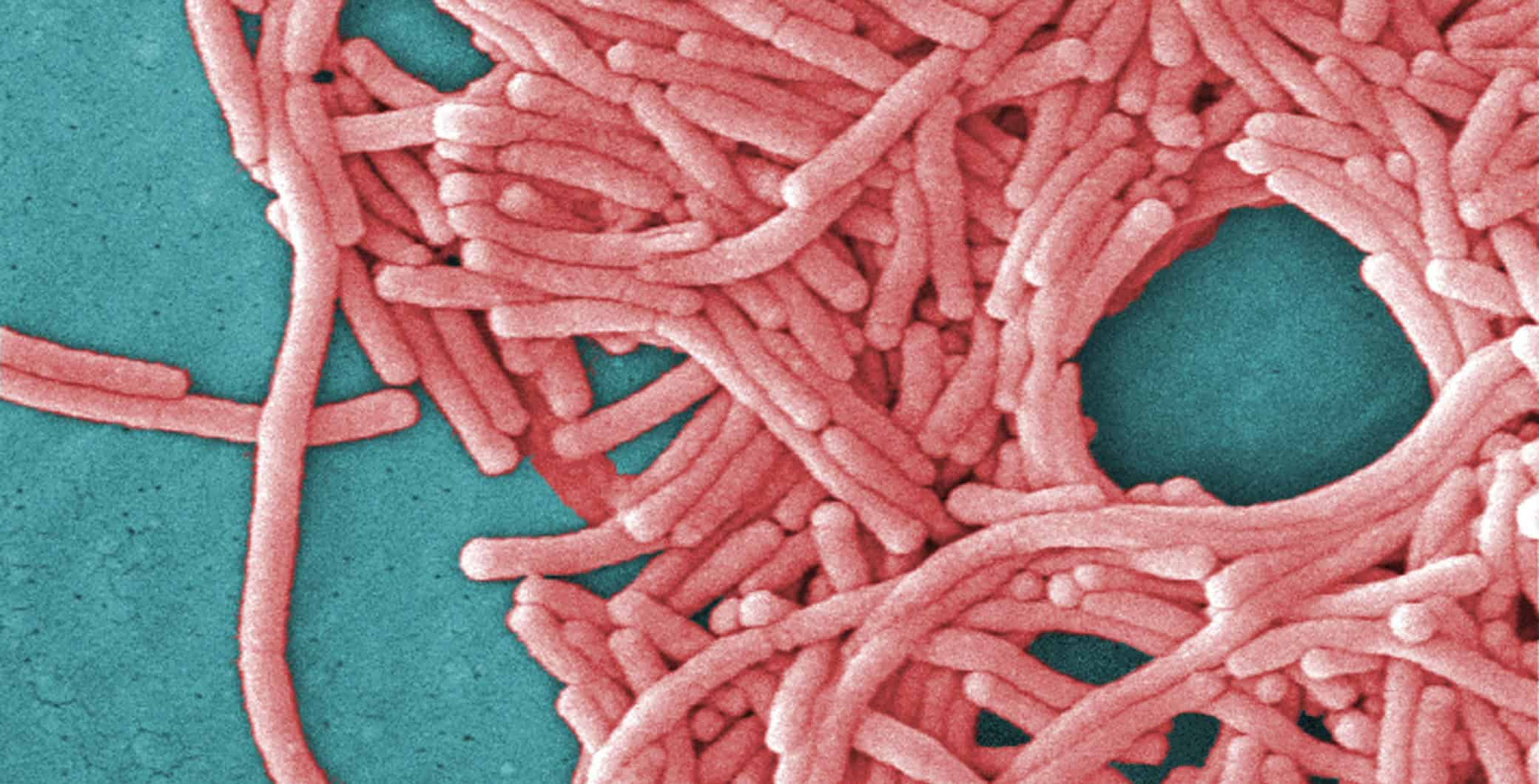
Toronto is facing a fresh health scare. City officials have confirmed a new Legionnaires’ disease outbreak near the downtown core, and they are working quickly to trace its source. As a result, residents in the affected area are being urged to stay alert and watch for early symptoms.
This article breaks down what happened, why it matters, and how you can protect yourself and your family from this serious lung infection.
What Happened in Toronto?
Toronto Public Health announced that it is investigating six confirmed cases of Legionnaires’ disease. Meanwhile, all six patients live, work, or spent time in the same general area, which points to a shared exposure source. Health teams are now trying to pinpoint exactly where the bacteria came from.
Where the Outbreak Is Centered?
The cases are clustered within roughly one kilometre of the intersection of Bathurst and Dupont streets. Additionally, everyone affected reported symptoms starting between July 2 and July 26, which gives investigators a fairly narrow window to work with.
Possible Link to an Earlier Outbreak
Interestingly, this isn’t the first Legionnaires’ cluster in the neighbourhood this year. Health officials previously identified five cases tied to Castleview Wychwood Towers, a long-term care home nearby. Consequently, public health teams are now checking whether the two outbreaks share a common source, such as a contaminated cooling tower or water system.
What Is Legionnaires’ Disease?
Legionnaires’ disease is a severe, sometimes life-threatening type of pneumonia. Specifically, it is caused by Legionella bacteria, a germ that occurs naturally in freshwater environments like lakes and streams. However, the real danger comes when the bacteria multiply inside man-made water systems.
How the Bacteria Spreads?
Legionella bacteria thrive in warm, stagnant water. Therefore, they are often found in:
- Cooling towers on large buildings
- Hot tubs and spas
- Sprinkler and irrigation systems
- Humidifiers
- Decorative fountains
- Large plumbing systems in hotels and hospitals
People typically get infected by breathing in tiny water droplets, or mist, that carry the bacteria. In other words, you don’t catch it by drinking contaminated water – you catch it by inhaling it.
Common Symptoms to Watch For
Symptoms usually appear two to ten days after exposure. They often resemble a bad flu at first, then progress toward pneumonia. Typical warning signs include:
| Symptom | Details |
| High fever | Often above 39°C (102°F) |
| Cough | May bring up mucus or blood |
| Shortness of breath | Can worsen quickly |
| Muscle aches | Similar to flu-like fatigue |
| Headache | Often paired with confusion |
| Chest pain | Especially when breathing deeply |
If you notice these symptoms and have recently been in the affected Toronto neighbourhood, doctors recommend seeking medical attention right away. Early treatment with antibiotics greatly improves recovery outcomes.
Is Legionnaires’ Disease Contagious?
Here’s some reassuring news: Legionnaires’ disease does not spread from person to person. Instead, it only spreads through contaminated water sources. As a result, public health officials say the overall risk to the general public remains low, even though the outbreak is being taken seriously.
Still, certain groups face higher risk, including:
- Adults over 50
- Smokers or former smokers
- People with chronic lung disease
- Those with weakened immune systems
- Individuals with diabetes or kidney disease
How Toronto Public Health Is Responding?
To get ahead of the outbreak, officials have launched several precautionary steps. For instance, teams are now:
- Conducting on-site inspections across the affected area
- Collecting environmental water samples for testing
- Applying precautionary control measures to suspected water systems
- Monitoring for any new cases as they emerge
So far, no single confirmed source has been identified. However, investigators continue to narrow down the possibilities, and updates are expected as testing results come in.
How to Protect Yourself From Legionella Bacteria?
Although the public risk is currently low, it’s still smart to take a few precautions, especially if you live or work near the outbreak zone. Consider the following steps:
- Watch for symptoms. If you develop a fever, cough, or breathing trouble after being in the area, contact a healthcare provider promptly.
- Maintain home water systems. Regularly clean and disinfect hot tubs, humidifiers, and showerheads.
- Flush unused taps. If a faucet or hose hasn’t been used in a while, run the water before use.
- Stay informed. Follow updates from Toronto Public Health for the latest guidance.
- Avoid self-diagnosis. Because symptoms mimic the flu, always get tested rather than assuming it’s a minor illness.
Final Thoughts on the Legionnaires’ Disease Outbreak
To sum up, Toronto’s latest Legionnaires’ disease outbreak is a timely reminder of how important clean water systems are to public health. Although the situation is still under investigation, officials continue to reassure the public that the overall risk remains low, since the disease cannot spread between people. Nevertheless, staying informed and recognizing symptoms early remains the best defense. As testing continues, residents in the Bathurst and Dupont area should keep an eye on official updates and seek medical care quickly if symptoms appear.